Stop losing business to your competitors...
Need a Mobile friendly Website for your Brand New Business?
Digital Marketing Frequently Asked Questions
+
Yes! Our SEO experts strives to ensure that your site is
optimized for all major search engines. Although Google
is the most popular search engine in most countries,
other search engines account for a large amount of
organic traffic on the internet. Google, Bing, Yahoo,
Baidu, Yandex, Ask, and DuckDuckGo are some of the most
popular search engines.
+
SEO starts with you! You know your business the best and
your goals. Our team will devote time with you to
explore your business and learn about your target
customers, business model, and competitors. We will help
you determine the best SEO techniques which is most
suitable and relevant as per your requirements.
+
Yes. PPC advertising is costly and only offers a
short-term answer, whereas SEO is an investment that
pays for itself over time. When you stop paying for PPC
advertising, your campaign ends; but, when you stop
paying for SEO, the impacts continue. Not only that, but
according to a survey conducted in 2021, 86 percent of
web searches trust SEO listings above sponsored PPC
listings; that's huge!
+
Of course we can! We offer multiple levels of SEO
audits. Our basic SEO audit offers insights into your
optimization and website performance. It gives us the
opportunity to take a look under the hood and better
understand what may be holding your website back. We
also offer a more in-depth SEO analysis that dives much
deeper into the quality of your Website optimization.
This higher level SEO audit benefits clients who have
been doing SEO for a while and are looking to implement
a more advanced strategy. Get a free SEO audit here.
+
Absolutely, our team devotes a significant amount of
time to researching the latest advancements in the SEO
industry, ensuring that our work is always updated with
Google algorithm upgrades.
+
Definitely. The quirks of Google Business Profile (GBP),
formerly known as Google My Business, are well-known to
our SEO team. We can set up and improve your Business
Profile with all accurate and relevant information to
help you get more visibility in Google Maps and local
search results.
+
Effective SEO takes time, Remember that SEO is a
long-term investment! We will first do the research for
your company and provide an estimate based on
competitiveness and strategy.
+
That will not be the case. Apologies for being so blunt
but there are several different factors such as the
competition, the competitiveness of the keyword, the
website's optimization, and so on that influence how
quickly users receive results.
+
Search Engine Optimization is a dynamic process, and we
cannot expect to keep our top ranking at all times, even
though we make every effort to do so. Any reputable SEO
company will never claim that you will always be at the
top for your industry keywords because it depends on
hundreds of website and search engine criteria, as well
as your competitor's website.
+
At GreatInflux you can get benefit of all type of SEO
Services be it- technical SEO, Off-Page SEO, On-Page SEO
or Local SEO. We will help you determine the best
service as per your business requirements
+
A website design service involves creating and designing a website for a business or organization. This can include elements such as layout, color scheme, graphics, and overall user experience.
+
Website design is important for a start-up business because it can create a strong first impression with potential customers, establish credibility and professionalism, and provide an easy and efficient way for customers to find and interact with your business.
+
The process of website design typically includes the following steps: consultation to understand the business and its needs, research and planning, design and development, testing and launching, and ongoing maintenance and updates.
+
The cost of website design services can vary greatly depending on the complexity of the website, the experience and expertise of the designer, and the features and functionality required. On average, a basic website design can cost anywhere from a few hundred to a few thousand dollars.
+
The time it takes to design a website can also vary depending on the complexity of the website, the experience and expertise of the designer, and the features and functionality required. On average, a basic website can take anywhere from a few weeks to a few months to design.
+
Choosing a website designer for a start-up business should involve researching and comparing different designers, checking their portfolio and references, and discussing their experience and approach to website design. It's also important to ensure that the designer understands your business and its needs.
+
Yes, most website design services include ongoing maintenance and updates to the website, so changes and updates can be made as needed.
+
The level of support provided after a website is designed can vary depending on the website design service. Some services may provide ongoing maintenance and updates, while others may only provide support for a certain period of time. It's important to discuss the level of support provided before signing a contract.
+
To ensure that a website is mobile-friendly, it should be designed and developed with a responsive design, which automatically adjusts the layout and functionality for different screen sizes and devices.
+
To make a website stand out from the competition, it should be unique, visually appealing, and easy to navigate, while also providing valuable and relevant content. The website should also be optimized for search engines and be easy to find and share on social media.
+
Digital marketing is the use of digital channels, such as search engines, social media, email, and websites, to promote products or services. It is important for startup businesses because it can help to reach a larger audience, increase brand awareness, and drive sales.
+
The different types of digital marketing include search engine optimization (SEO), social media marketing, email marketing, content marketing, pay-per-click (PPC) advertising, affiliate marketing, and influencer marketing.
+
Creating a digital marketing plan for your startup business involves setting goals, identifying your target audience, researching industry trends, and determining the types of digital marketing to use based on your resources and goals.
+
Measuring the success of your digital marketing efforts can be done through various metrics such as website traffic, engagement, lead generation, and conversions.
+
Improving your startup's search engine rankings can be done through search engine optimization (SEO) tactics such as keyword research, creating valuable and shareable content, optimizing meta tags, and building backlinks.
+
Effectively using social media for your startup business involves understanding your target audience and their pain points, creating valuable and shareable content, engaging with your audience, and using paid advertising options.
+
Creating and executing a successful email marketing campaign for your startup involves building an email list, segmenting your audience, personalizing your messages, creating valuable and engaging content, and regularly monitoring and analyzing your campaign's performance.
+
PPC advertising can drive traffic and sales for your startup by targeting specific keywords, creating compelling ad copy and ad design, optimizing your landing pages, and regularly monitoring and analyzing your campaign's performance.
+
Affiliate marketing can drive sales for your startup by partnering with other businesses or individuals to promote your products or services through unique referral links.
+
Influencer marketing can be used to promote your startup by partnering with individuals who have a large following on social media or other platforms, and having them share or create content about your products or services to their audience.
+
Social media marketing (SMM) is the process of promoting products or services through social media platforms. It is important for startup businesses because it can help to increase brand awareness, drive traffic to your website, and increase sales.
+
The most popular social media platforms for businesses include Facebook, Instagram, Twitter, LinkedIn, and YouTube.
+
Creating a social media marketing plan for your startup business involves setting goals, identifying your target audience, researching industry trends, and determining the types of content to create and post based on your resources and goals.
+
Measuring the success of your social media marketing efforts can be done through various metrics such as engagement, followers, website traffic, and conversions.
+
Increasing your startup's social media following can be done through creating valuable and shareable content, engaging with your audience, using hashtags, and running social media advertising campaigns.
+
Social media advertising can drive sales for your startup by targeting specific demographics and interests, creating compelling ad copy and ad design, and regularly monitoring and analyzing your campaign's performance.
+
Building your startup's brand on social media can be done by creating a consistent brand voice and visual identity, engaging with your audience, and creating valuable and shareable content.
+
Using social media for customer service for your startup can be done by monitoring social media for mentions of your business, responding promptly to customer inquiries and complaints, and providing helpful and accurate information.
+
Gathering customer feedback on social media can be done by running surveys or polls, monitoring comments and reviews, and responding to customer inquiries and complaints.
+
Staying up-to-date on industry trends and news on social media can be done by following relevant accounts, joining industry-specific groups and communities, and using social media listening tools.
+
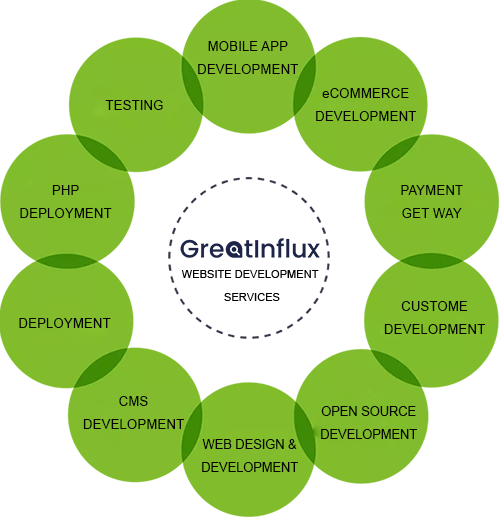
Website development service refers to the process of creating and building a website for a business or organization. This includes tasks such as coding, programming, and implementing various features and functionalities.
+
Website development is important for a start-up business because it provides an online presence and allows customers to interact with the business. It can also increase visibility, establish credibility, and provide an efficient way to showcase products and services.
+
The process of website development typically includes the following steps: consultation and planning, design and development, testing, and launching, and ongoing maintenance and updates.
+
The cost of website development can vary depending on the complexity and features of the website, the experience and expertise of the developer, and the type of platform or framework used. On average, a basic website can cost anywhere from a few thousand to tens of thousands of dollars.
+
The time it takes to develop a website can vary depending on the complexity and features of the website, the experience and expertise of the developer, and the type of platform or framework used. On average, a basic website can take anywhere from a few weeks to several months to develop.
+
Choosing a website developer for a start-up business should involve researching and comparing different developers, checking their portfolio and references, and discussing their experience and approach to website development. It's also important to ensure that the developer understands your business and its needs.
+
Yes, most website development services include ongoing maintenance and updates to the website, so changes and updates can be made as needed.
+
The level of support provided after a website is developed can vary depending on the website development service. Some services may provide ongoing maintenance and updates, while others may only provide support for a certain period of time. It's important to discuss the level of support provided before signing a contract.
+
To ensure that a website is mobile-friendly, it should be developed using responsive design techniques, which automatically adjust the layout and functionality for different screen sizes and devices.
+
To make a website stand out from the competition, it should have unique and engaging design, easy navigation, and provide valuable and relevant content. It should also be optimized for search engines and be easy to find and share on social media. Additionally, website developers can also implement unique features and functionalities that set it apart from others
+
Link building is the process of acquiring backlinks from other websites to your own site. Backlinks are important for startup business because they can help to improve your search engine rankings, drive more traffic to your website, and increase your online visibility.
+
Link building works by acquiring backlinks from other websites to your own site. The benefits include increasing your search engine rankings, driving more traffic to your website, and increasing your online visibility.
+
There are several ways to acquire backlinks, such as creating valuable and shareable content, guest blogging, reaching out to influencers and industry leaders, and participating in online communities.
+
The success of your link building efforts can be measured through various metrics such as the number of backlinks, the quality of the backlinks, and the increase in search engine rankings and website traffic.
+
The types of backlinks that you should be targeting for your startup business are those from reputable and high-authority websites within your industry or niche.
+
Black hat link building tactics include buying links, using link farms, and participating in link schemes. To avoid these tactics, focus on creating valuable and shareable content, reaching out to influencers and industry leaders, and participating in online communities.
+
To make sure your startup's backlinks are of high quality, you should focus on acquiring backlinks from reputable and high-authority websites within your industry or niche.
+
Potential link building opportunities can be found through researching your competitors' backlinks, using tools to identify relevant websites and influencers, and participating in online communities.
+
Creating a link building strategy involves setting goals, identifying potential link building opportunities, creating valuable and shareable content, and measuring the success of your efforts.
+
To maintain and improve your startup's backlinks over time, you should continue to create valuable and shareable content, reach out to influencers and industry leaders, and participate in online communities. Additionally, regularly monitoring and removing any low-quality or irrelevant links can help to maintain the strength of your backlink profile.
+
Pay-per-click (PPC) advertising is a form of online advertising where businesses pay a fee each time their ad is clicked. It is important for online businesses because it can help to drive targeted traffic to your website, increase brand awareness, and generate leads or sales.
+
PPC advertising works by placing ads on search engines, such as Google and Bing, or on social media platforms, such as Facebook and Instagram. When a user clicks on the ad, the business pays a fee, hence the name pay-per-click.
+
Creating a successful PPC campaign for your online business involves researching and selecting relevant keywords, crafting compelling ad copy and ad design, optimizing your landing page, and regularly monitoring and analyzing your campaign's performance.
+
Measuring the success of a PPC campaign can be done through various metrics such as click-through rate (CTR), cost per click (CPC), conversions, and return on investment (ROI).
+
Targeting the right audience for your PPC campaign can be done through various targeting options such as demographics, interests, location, and behavior.
+
Optimizing your PPC campaign for conversions can be done by creating a compelling ad copy and ad design, optimizing your landing page, and regularly monitoring and analyzing your campaign's performance.
+
The budget for a PPC campaign depends on various factors such as the competitiveness of the keywords, the targeting options, and the overall goals of the campaign. It is recommended to start with a small budget and adjust as needed.
+
Using negative keywords in a PPC campaign can help to exclude unwanted or irrelevant search terms and ensure that your ad is shown to a more targeted audience.
+
Improving the quality score of a PPC campaign can be done by using relevant keywords, creating compelling ad copy and ad design, optimizing your landing page, and regularly monitoring and analyzing your campaign's performance.
+
Remarketing in a PPC campaign can be used to target users who have previously visited your website by displaying ads to them as they browse other websites or use social media platforms. This can help to increase brand awareness and drive conversions.
+
Content writing is the creation of written materials for use on digital platforms, such as websites, blogs, and social media. It is important for your startup business as it can help to attract and engage potential customers, build trust and credibility, and ultimately drive sales.
+
There are many ways to come up with ideas for your startup's content, such as brainstorming sessions, researching industry trends, and looking at what your competitors are doing. You can also gather inspiration from customer feedback, questions, and pain points.
+
The type of content that your startup business should be creating depends on your target audience and your business goals. Some common types of content include blog posts, articles, social media posts, infographics, e-books, and videos.
+
The frequency of your content publishing depends on your resources and your target audience. A good rule of thumb is to publish new content at least once a week for blogs and social media, and as needed for other types of content.
+
Measuring the success of your content marketing efforts can be done through various metrics such as website traffic, engagement (likes, shares, comments), lead generation, and conversions.
+
Optimizing your content for search engines, also known as search engine optimization (SEO), involves using keywords, meta tags, and other techniques to improve the visibility of your content in search engine results pages.
+
Creating engaging and shareable content involves understanding your target audience and their pain points, using storytelling techniques, adding visual elements, and making the content easy to read and understand.
+
Repurposing your content involves adapting it for different formats and channels, such as turning a blog post into a video or an infographic, or creating a social media post from a customer testimonial.
+
Creating a content marketing strategy involves setting goals, identifying your target audience, researching industry trends, determining the types of content to create, and measuring the success of your efforts.
+
Knowing if your content is resonating with your audience can be determined through engagement metrics such as likes, shares, and comments. You can also gather feedback from your audience through surveys and focus groups.
Get In Touch
Get Your First Month of Digital Marketing Services for Free!
We're here to help. Get in touch with Greatinflux today

Our Services
Resources
Greatinflux Member
Search GreatInflux's Directory to find the Small Business you're looking for
Find a Business Near YouServing businesses in the United States, United Kingdom, United Arab Emirates and India — including New York, Los Angeles, Chicago, London, Manchester, Birmingham, Dubai, Abu Dhabi, Sharjah, Delhi, Mumbai, Bengaluru.
© Greatinflux. All Rights Reserved.